Last updated: November 19, 2026
Quick Answer: Keep at least 1 month of essential expenses in cash, and only use the amount above that floor for debt prepayment. If you already have savings set aside, the right debt payoff method depends on what that cash has to protect first: your emergency fund, your monthly bills, and your ability to avoid new debt. This guide explains how to choose a debt payoff method when you already have cash reserves, so you can decide whether to keep the savings account intact, move part of it to debt prepayment, or split the difference.
Who this is for, and what you need before you start
This is for someone with at least one savings account balance and at least one non-mortgage debt balance, such as a credit card, personal loan, auto loan, or student loan, and who wants to decide how much cash reserve to keep before paying extra on debt. In the context of debt payoff methods, this article is for people who already know their monthly take-home income, their required bills, and the balances and interest rates on each debt.
This is not the right starting point if you are already missing minimum payments, facing collection activity, or have income that changes so much that you cannot keep a stable cash buffer. In those cases, the method decision is secondary to stabilizing cash flow. That includes people who have savings but no clear emergency fund target, people who use a high-yield savings account as a parking place for several unrelated goals, and people who have debt with penalty terms that are tied to missed payments. The right move can also differ by country because tax rules, consumer protections, and debt contract terms vary; for your own situation, a qualified financial adviser or credit counselor can help interpret them.
The key question is not “Should I save or pay debt first?” It is “How much cash do I need to keep liquid so I do not create a worse problem by paying debt too aggressively?” That is the frame for the rest of the guide.
How much savings should stay untouched?
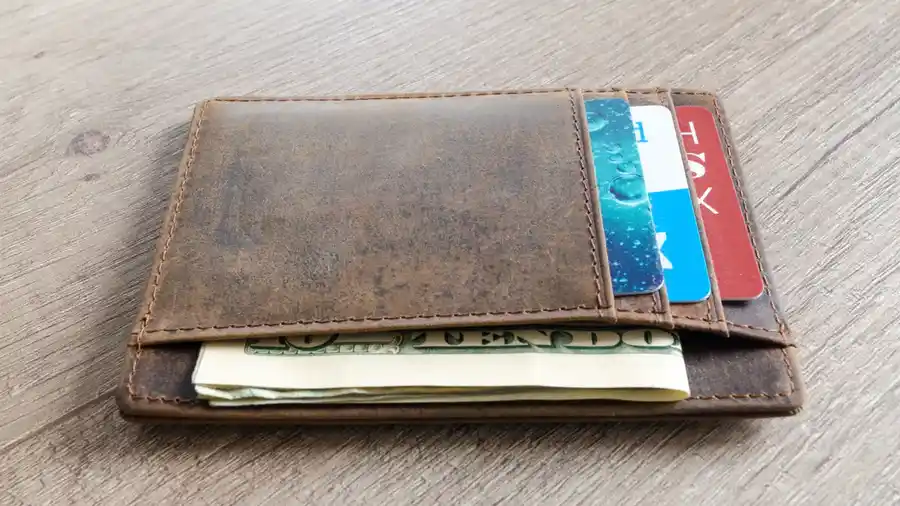
A cash reserve should stay untouched if it is the money that keeps you from needing new debt for a real emergency. For many people, that means the first layer of savings is not optional debt-payoff fuel; it is the buffer that protects the plan.
A useful way to think about it is in layers:
- Layer 1: transaction cash. Money that keeps the checking account from running dry before the next paycheck.
- Layer 2: emergency fund. Savings meant for unexpected costs such as a job gap, car repair, or medical bill.
- Layer 3: excess savings. Cash above those two layers that can be considered for debt prepayment.
If your savings account only covers one month of essentials, it is usually wise to treat most of it as emergency money rather than debt payoff money, though a qualified financial adviser or credit counselor can help you judge the trade-off for your situation. If you have several months of expenses parked in a savings account and your debt carries a high interest cost, the excess may be more useful redirected to debt. A high-yield savings account can make holding a larger buffer less painful, but it does not change the basic question: how much liquidity do you need to keep?
A practical test is to ask whether an unexpected $500 to $1,000 expense would force new borrowing. If the answer is yes, your cash reserve is probably doing more work than you think. If the answer is no, you may have room to move some savings toward debt.
How do I choose a debt payoff method when I already have savings?
Choose the method that matches both your debt profile and the role your savings are playing, then put the excess cash where it does the most useful work. The method itself matters less than the size of the buffer you keep and the discipline you can maintain once you start.
- List every debt and every savings bucket. Write down each balance, the minimum payment, the interest rate if known, and which savings is true emergency money versus goal money. Verify that you can identify at least 3 categories: emergency fund, short-term sinking funds, and excess cash. If you cannot separate them, the problem is organization, not payoff method. For a simple budget system, see budgeting basics.
- Set a minimum cash buffer first. Keep at least enough liquid cash to cover one full month of essential expenses, or another amount that reflects your job stability and household risk. Verify that rent, food, utilities, transit, and insurance can still be covered if income is delayed by 2 to 4 weeks. If that would not be true, do not redirect the cash yet. The CFPB’s budgeting resources can help you map those essentials.
- Protect any savings with a near-term job. If money is already assigned within the next 12 months for taxes, tuition, car repair, moving costs, or annual insurance premiums, leave it alone. Verify the timeline in writing. If you cannot explain when the money will be used, it is not excess savings. A sinking fund can keep those buckets separate.
- Rank your debts by cost and pressure. Sort debts by interest rate, but also note whether any debt is at risk of late fees or penalty pricing. Verify the highest-cost balance is not being ignored just because another balance feels louder. If you cannot name the most expensive debt, your payoff method is not yet chosen. The Consumer Financial Protection Bureau explains why fee pressure matters.
- Choose the payoff order that fits your behavior. If you are likely to quit without visible wins, a smaller-balance-first order may help you stay on track. If you can stay steady without needing quick wins, paying highest-interest debt first usually reduces total interest cost over time. Verify the order feels sustainable for at least 6 to 12 months. If the order feels unrealistic, it will probably break. A related overview of snowball vs avalanche can help.
- Decide how much of the excess savings to deploy. Move only the amount above your cash buffer into debt prepayment. A common structure is to keep the emergency fund intact and use surplus cash in one lump sum, then switch to monthly extra payments. Verify that the remaining balance in savings still leaves room for a 1- to 2-month surprise. If not, trim the payoff amount.
- Automate the new plan for 3 months. Set the minimum payments on all debts and automate the extra payment to the chosen target debt. Verify the account still has positive cash flow after the first full billing cycle. If the checking account starts dipping below your target floor, reduce the extra payment before the next cycle. If you need a checklist, see how to build a debt payoff plan.
- Review after every major cash event. Recheck the plan after a bonus, tax refund, medical bill, job change, or large repair. Verify whether the cash reserve is still adequate or whether a new savings allocation is needed. If the plan only works in a perfect month, it needs a reset.
If you want the payoff order itself explained in more depth, the hub on debt payoff methods and strategy selection belongs next. This page is about choosing under a savings constraint, not about proving one method is universally superior.
Should I use savings to pay off debt?
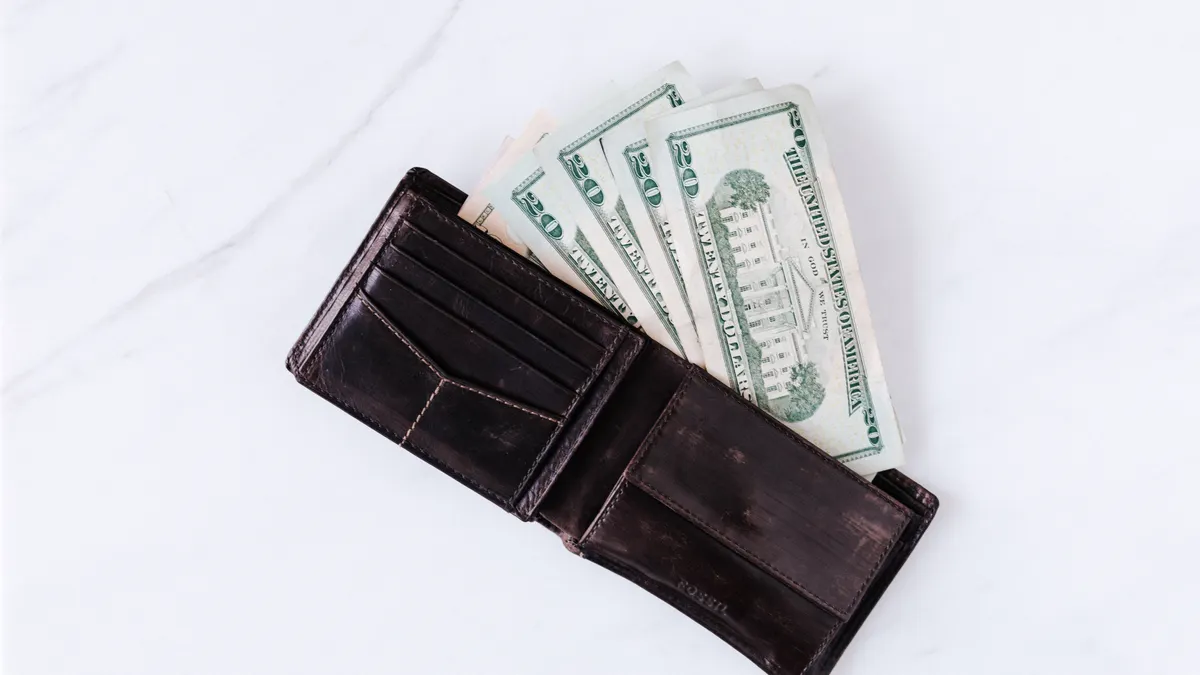
Use savings to pay off debt only if the money above your cash reserve is truly excess, and keep it when the balance protects you from a real emergency. That is the central trade-off.
Using savings for debt prepayment can make sense when the savings is doing little more than sitting in a savings account while your debt is charging interest. It can also make sense when you are carrying debt that is expensive enough to feel like a second fixed bill. But a full drain of your cash reserve can backfire if it leaves you one repair, one co-pay, or one reduced paycheck away from borrowing again.
The cleanest way to decide is to separate the money into “keep” and “deploy.” Keep the emergency fund and any cash tied to a known use within the next 12 months. Deploy only the remainder. That leaves you with a debt payoff method that is more focused and less likely to collapse under pressure.
This is also where liquidity matters. Liquidity means how quickly money can be used without delay or loss. Cash in checking or savings is liquid; money tied up in an account with penalties or delays is less useful for emergencies. If your savings are already serving as a liquidity buffer, a qualified financial adviser or credit counselor can help you judge whether any of it should stay in reserve rather than be used as free money.
A savings-heavy household may end up making a larger one-time debt payment, then rebuilding the cash reserve from future income. A savings-light household usually should not do that.
When you should keep the cash reserve intact
Keep the cash reserve intact when the money has a job that is more urgent than interest savings, because some situations turn debt prepayment into a false economy. The right move is to hold cash first and revisit debt later.
Your emergency fund is below one month of essentials: This means one normal disruption could push you into new borrowing — keep saving until the buffer is real, then revisit debt prepayment.
Your income is irregular or seasonal: This means the risk of a bad month is built into the budget — keep more cash on hand and use smaller extra payments instead of a lump sum.
You have any expense due in the next 12 months that you already know about: This means the money is not truly extra — set it aside in savings, not against debt. A qualified financial adviser or credit counselor can help you sort out the trade-off if the timeline is unclear.
Your checking account regularly skims too close to zero: This means your cash flow is fragile — keep the reserve and fix the monthly budget before changing payoff method.
Your debt payments are current but your household has unstable housing, child-care, or medical costs: This means cash flexibility matters more than speeding up debt — protect liquidity first and consult a qualified adviser if the trade-off is hard to judge.
You would need to reborrow if a $300 to $500 surprise came up: This means the reserve is still functional, not surplus — do not convert all of it into debt payment. If you are unsure, a local credit counselor can help you pressure-test the number.
The standard approach changes here because the risk is not theoretical. Losing your buffer can create a spiral: one emergency leads to new debt, which leads to higher payments, which then squeezes the budget further.
The mistakes people actually make with savings and debt
The biggest mistake is using all savings to feel “done” with debt, then rebuilding both the emergency fund and the debt balance at the same time. That usually stretches the budget for months and can lead to new borrowing. The correct alternative is to keep a floor in savings and pay only the surplus.
Another common error is leaving a large savings balance untouched while carrying expensive debt and then feeling guilty about either choice. The result is mental drag and slower progress on the debt payoff method you chose. The better move is to define a specific cash buffer number and make the rest of the money intentional.
A third mistake is ignoring the difference between a savings account and a short-term savings bucket. Money for taxes, insurance, tuition, or travel is not extra cash. If it gets used on debt, the replacement bill still arrives. The correct alternative is to label every bucket before making a payment.
A fourth mistake is choosing a debt payoff method based only on motivation without checking cash flow. A method that feels inspiring for 2 weeks can fail if the monthly payment is too aggressive. The fix is to test the plan against one full billing cycle, then adjust.
A fifth mistake is assuming a high-yield savings account changes the decision. Better interest on savings is useful, but it does not erase the gap between the interest you earn and the cost of debt. The correct alternative is to look at the entire cash picture, not just the account label.
When the standard approach does not apply
The standard “keep a buffer, deploy the excess” approach needs adjustment in a few real situations.
Debt has a promotional rate or temporary feature: The payoff order may change because the clock matters, not just the balance size — read the terms carefully and confirm when the rate changes.
There is a penalty for early payoff on the debt: This is less common, but it changes the math — compare the penalty against the savings from prepayment before moving cash.
The savings is held for a near-term move, job change, or large planned purchase: The money is a planned-use fund, not surplus — keep it liquid and do not redirect it.
Your household has two income earners and one is unstable: The emergency fund should often be larger than a single-earner household would keep — the right cash buffer may need to cover more than a single month.
Your debt and savings are both small: When both amounts are modest, simplicity matters — one extra payment can be useful, but do not overcomplicate the method if the real issue is inconsistent saving.
A note on terminology: debt prepayment means paying more than the required minimum on a debt. That extra payment can reduce future interest, but only when the debt terms and your cash reserve make it sensible.
For tax-sensitive, contract-sensitive, or multi-account situations, a qualified financial adviser or credit counselor can help you avoid a choice that looks efficient on paper but is awkward in real life. This article is information, not financial advice.
How long it takes to decide, and what a good result looks like
You can usually make the decision in 30 to 60 minutes if your accounts are organized. The actual payoff plan then needs one billing cycle to prove it fits, because the first month will show whether your cash buffer was realistic.
A good result looks like this: the savings account still has a purpose, the emergency fund is not emptied, extra debt payments are automated, and your checking account stays above the floor you set. A better result is not just faster debt reduction; it is a debt payoff method you can keep without financial whiplash.
A weak result looks like debt disappearing while the savings balance crashes to near zero. That can feel productive for a month and then become expensive fast if an emergency shows up. The goal is not to maximize debt payoff at any cost. The goal is to choose a debt payoff method that fits both your balances and your cash reserve.
Key takeaways
- Keep cash that protects your bills, then only target the amount above that floor.
- Treat known future expenses as savings, not as spare money for debt.
- Choose a payoff order you can follow for 6 to 12 months, not just one payday.
- If using savings would leave you one surprise away from new debt, the reserve is too thin to raid.
- If your extra cash is truly excess, redirecting it can make the payoff plan simpler and more effective.
Should I use savings to pay off debt?
Use savings only if the money is above the cash reserve you need to stay liquid. If the savings is your emergency fund or covers known future expenses, keep it in place and reconsider the payoff method after your buffer is secure.
Drafted with AI; not yet reviewed by a person.