The Debt Payoff Method for Low-Income Households That Actually Works When Money Is Tight
Last updated: August 10, 2026
This article is general information, not financial advice. Your situation is unique — rates, thresholds, and tax rules vary by country and change over time. Please consult a qualified financial adviser before making decisions about your debt.
## Quick Answer
For most low-income households carrying multiple debts, the **debt snowball method** outperforms the debt avalanche in practice — not because it saves the most money, but because closing even a single small balance (often under $500) sustains the motivation needed to keep going. Before choosing any method, build a cash buffer of at least $300–$500. Without it, one unexpected expense reverses months of progress. Any debt carrying an annual interest rate above 20% deserves top priority, regardless of method.
## Key Facts: Debt Payoff Method for Low-Income Households
– The debt snowball (pay smallest balance first) typically produces higher total interest costs than the avalanche, but completion rates are higher for those who have abandoned plans before.
– A starter emergency buffer of $300–$500 in a separate account reduces the likelihood of returning to credit card debt after a minor unexpected expense.
– Credit card annual percentage rates in the US averaged around 21–22% in 2024 ([Consumer Financial Protection Bureau](https://www.consumerfinance.gov/data-research/consumer-credit-trends/credit-cards/)); payday loans frequently carry APRs above 300%.
– Non-profit credit counselling agencies can negotiate Debt Management Plans with reduced interest rates, often 6–10% APR, with fees typically capped under $50/month by state regulation in the US.
– Debt settlement typically harms your credit score and may result in taxable income on the forgiven amount; speak with a licensed financial adviser before going down that road.
– Calling a credit card issuer to request a rate reduction costs nothing and sometimes works, particularly for accounts with a history of on-time payments.
Twenty-two percent. That’s the average credit card APR American households faced in 2024 — and for millions of low-income borrowers, the rate is higher still. The standard advice — “throw every extra dollar at your highest-interest debt” — assumes you have extra dollars. Many households don’t. The real question for the debt payoff method for low-income households isn’t which approach is mathematically optimal in a spreadsheet. It’s which one you can actually stick to when the margin between income and expenses is thin enough that a single unexpected bill undoes months of progress.
Honestly, after years of writing about household debt: for most low-income households, the debt snowball beats the debt avalanche in practice. But neither method works without one thing almost no article about this topic mentions first — a buffer.
Why the “Best Method” Question Is the Wrong Starting Point for Low-Income Debt Payoff
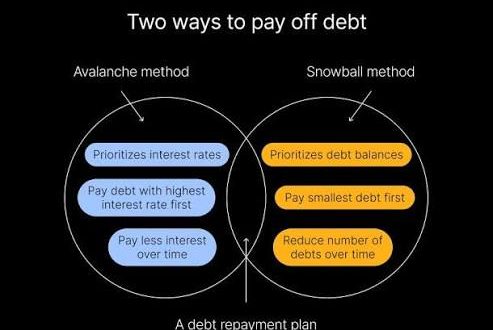
Every piece on this topic races straight to the avalanche-versus-snowball debate. The avalanche (pay highest interest first) wins mathematically. Behaviorally, the snowball wins for many people. Both statements are true — and both miss something important.
A missing cash buffer means the first flat tire or medical co-pay sends you straight back to the credit card. You don’t just lose ground; you lose the psychological momentum that made the plan sustainable in the first place. Research in behavioral economics has documented this “financial fragility” loop (Lusardi, Schneider & Tufano, NBER 2011), though exact figures vary by study and population. That math stops working fast.
So the first month’s priority is building a small emergency buffer — even $300 to $500 kept in a separate account. Not a full emergency fund. Just enough to absorb a minor shock without borrowing again. Generic debt articles skip this step, which is exactly why so many plans collapse early.
Once that buffer exists, then you pick a method.
The Debt Snowball: How It Works and When to Choose It
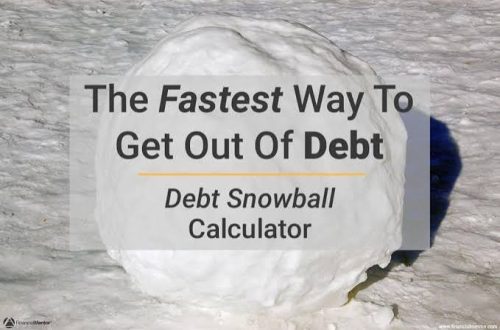
List every debt by balance, smallest to largest. Ignore interest rates for now. Make minimum payments on everything, then direct any additional money — even a small amount — at the smallest balance until it’s gone. Roll that freed-up minimum payment onto the next smallest balance. That “snowball” grows as each debt disappears.
The honest case for it: Paying off a full debt creates a measurable psychological win. That win matters more than most people expect. Motivation is one of the scarcest resources on a tight income — seeing a balance hit zero, even on a small store card, changes how you think about the whole plan. It shifts debt repayment from abstract suffering to a sequence of completable tasks.
The honest case against it: More interest paid over time. Full stop. On large balances, the difference can be meaningful — well, sometimes very meaningful. Carrying a smaller, lower-rate balance while a high-rate debt compounds in the background is a genuine financial cost, not just a rounding error. Someone with a few large, high-rate debts and no small ones to knock out quickly gets little psychological reward from this method while paying real money for the privilege.
Who it’s best for: Those who’ve started and quit debt plans before. Anyone holding several smaller debts — say, balances under $500 — closeable within a few months. And those who find abstract math less motivating than visible, tangible progress.
The Debt Avalanche: How It Works and When to Choose It
Same structure, different ordering. List debts by interest rate, highest to lowest. Minimum payments on everything, extra money at the highest-rate balance. When that’s gone, roll the payment to the next highest rate.
The honest case for it: Over the life of a repayment plan, the avalanche typically costs less in total interest. Certain credit cards run 25–29% APR; payday loans often top 300% APR; some personal loans sit uncomfortably in between. Against those rates, the avalanche can save a meaningful amount compared to the snowball. The math is real.
The honest case against it: The highest-rate debt is often the largest balance. Six months, a year, or longer paying it down without ever closing a single account — for someone already discouraged, that’s a grinding slog. Adherence drops. The plan gets abandoned, the “extra” money drifts elsewhere, and the end result is worse than if they’d chosen the slower-but-stickier method from the start.
Who it’s best for: Those with strong follow-through who respond well to knowing the numbers are working in their favor. Also anyone whose highest-rate debt happens to be a smaller balance — in that case, the two methods actually converge. Relatively stable income helps, too; frequent minor crises make the avalanche’s long waiting periods harder to endure.
The Method Nobody Talks About Enough: Negotiation Before Payoff

Before allocating a single extra dollar, call your creditors. Not a last resort — a first step. Low-income households underuse this option because it feels embarrassing or pointless. That embarrassment is understandable, but creditors routinely work with customers who ask; they would rather recover something than nothing. The call costs nothing and takes about 20 minutes.
A few things you can sometimes negotiate — and I’m describing how these work, not guaranteeing any outcome, since results depend on your creditor, your account history, and your specific circumstances:
Interest rate reduction requests. Card issuers sometimes lower rates for customers who ask, especially those with a track record of on-time payments. Even a drop from 24% APR to 18% APR meaningfully changes how fast a balance shrinks. No guarantee, but zero cost to ask.
Hardship programs. Many credit card companies and some medical billing departments run hardship or assistance programs that aren’t advertised anywhere. Reduced minimum payments, temporary interest suspension, payment deferrals — eligibility requirements vary, so ask specifically what’s available for your situation.
Debt settlement. On a seriously delinquent account, a creditor or collection agency may accept a lump sum below the full balance. Consequences follow, though: credit score damage and, in many cases, the forgiven amount is treated as taxable income. The IRS notes that cancelled debt is generally taxable unless an exception applies. Talk to a licensed financial adviser or an accredited credit counsellor before going this route.
Non-profit credit counselling. In many countries, accredited non-profit agencies can negotiate a Debt Management Plan on your behalf — one monthly payment, potentially reduced interest rates, often brought down to 6–10% APR. Fees are usually small and regulated; in the US, they’re capped by state law, typically under $50 per month. Steer clear of for-profit “debt settlement” companies charging large upfront fees — that sector has a documented history of consumer harm. Accredited agencies in the US can be found through the National Foundation for Credit Counseling.
When Neither Method Is the Right Starting Point
Two situations call for a completely different approach before any structured payoff plan makes sense.
Payday loans and triple-digit interest debt. Snowball or avalanche optimisation matters little against 300% APR. The priority is exiting that debt as fast as humanly possible, even if lower-rate debt gets temporarily ignored. Some credit unions offer small-dollar “payday alternative loans” at regulated rates capped at 28% APR by the National Credit Union Administration — worth checking if you’re caught in a payday loan cycle.
That trap is one of the most damaging financial spirals a low-income household can enter. Because the rates compound so aggressively, carrying a $500 payday loan for six months at 300% APR can cost more in fees than a $3,000 credit card balance at 22% APR over the same period. Let that sink in.
Income is the binding constraint. After minimums and basic living expenses, genuinely nothing left? The problem isn’t which order to pay debts — income needs to increase or expenses need to decrease first. A debt method alone cannot solve an income gap. A qualified financial counsellor or social services adviser can sometimes identify benefits, programmes, or income sources that aren’t obvious from inside the situation. The benefits.gov tool is a starting point for US households trying to identify available assistance programmes.
A Simple Framework for Choosing
Trying to decide right now? Here’s how to think through it:
- Do you have any buffer at all? Even a small one? Without $300–$500 set aside, building that buffer comes before extra debt payments.
- Any debt running above 20% annually? The avalanche — or direct negotiation to exit that debt — saves the most money here.
- Have you tried and quit a debt plan before? Lean toward the snowball. The math savings from the avalanche are worth nothing if you abandon the plan halfway through.
- Do you have several small balances under a few hundred dollars? Knocking those out quickly with the snowball simplifies your finances and trims the number of minimum payments eating your monthly budget.
- Is the math difference between the two methods large in your case? At similar interest rates, both methods produce nearly identical results — pick whichever one keeps you motivated.
There is no universally correct answer. Anyone who tells you otherwise is selling something.
The Trade-off Nobody States Plainly
Every debt payoff plan asks you to delay consumption now for financial freedom later. On a low income, that trade-off is harder than it sounds — the sacrifice isn’t abstract. It’s skipping things that genuinely matter to your quality of life, sometimes for years. That’s a real cost, not a footnote.
To be fair, most personal finance writing treats “just cut expenses” as obvious rather than genuinely difficult, and treats failure to stick to a plan as a character flaw rather than a predictable response to a plan that never accounted for human psychology and financial fragility. Struggled with debt plans before? The evidence from behavioural research suggests the plan design was likely the problem, not your willpower. A non-profit credit counsellor can help tailor a plan to your actual numbers — and that conversation is usually free.
Pick the method you’ll actually follow. Build the buffer first. Ask your creditors what they can do. And when the numbers genuinely don’t add up, reach out to an accredited non-profit counsellor — not a debt settlement company — before the situation gets worse.