Last updated: August 10, 2026
- – A NerdWallet analysis found that avalanche can save a typical borrower $1,000–$2,000+ in interest compared with snowball on a mixed-debt portfolio.
- Start with the most expensive debt — say, a 24% APR credit card — then move down as each balance disappears.
- A debt at 20%+ APR keeps compounding — that math stops working fast in your favor — so I would not brush past that trade-off.
- A $500 medical bill, for instance, might be gone in two or three months — fast enough to feel real.
FTC disclosure: Clicking a retailer link in this article may earn me a commission at no extra cost to you. Every recommendation below is based on fit, not on which method has a bigger affiliate program — because that distinction shapes how I write.
Personal finance writers love this debate. They split it cleanly: one method is mathematically superior; the other is psychologically kinder. Both halves are true. But the question that actually matters is narrower — which one will you still be running six months from now?
## Quick Answer
Debt snowball has helped many people eliminate debts in as little as 18–24 months by targeting the smallest balance first; debt avalanche typically saves hundreds to thousands of dollars in interest over the same period by targeting the highest-rate debt first. Motivation is your main risk? Go with snowball. Wasted interest keeps you up at night? The avalanche method is your answer.
## Key Facts
– Debt snowball pays the smallest balance first; debt avalanche pays the highest interest rate first.
– A NerdWallet analysis found that avalanche can save a typical borrower $1,000–$2,000+ in interest compared with snowball on a mixed-debt portfolio.
– Research on goal progress (Amar et al., 2011, *Journal of Marketing Research*) found that paying off smaller accounts first can increase the likelihood of eliminating total debt — supporting the snowball’s psychological logic.
– Both methods require making minimum payments on every debt and stopping new borrowing to work effectively.
– Rates, legal protections, and tax treatment vary by country and lender; consult a qualified financial adviser before choosing a strategy ([CFPB](https://www.cfpb.gov/)).
– Neither method creates money; they only organize how existing extra cash is directed.
How Each Debt Payoff Method Works
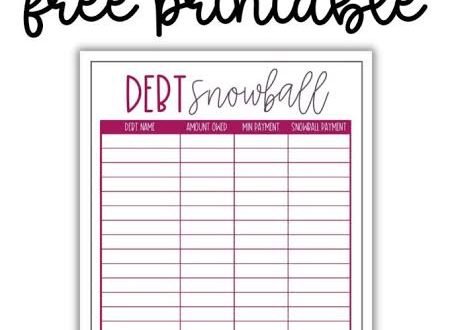
Both debt snowball and debt avalanche ask you to do the same basic thing: make minimum payments on every debt, then send any extra money to one target at a time. The only difference is the order in which you rank those targets.
With the snowball, debts line up from smallest balance to largest. Attack the smallest one first, roll that freed-up payment into the next one, and keep going. A $500 medical bill, for instance, might be gone in two or three months — fast enough to feel real.
With the avalanche, the list runs from highest interest rate to lowest. Start with the most expensive debt — say, a 24% APR credit card — then move down as each balance disappears.
Debt payoff is not just a math problem. Behavior drives it, too. A method that looks efficient on paper can collapse if the pace feels too slow to sustain.
Quick Comparison: Debt Snowball vs Debt Avalanche

| Decision factor | Debt snowball | Debt avalanche |
|---|---|---|
| Payoff order | Smallest balance first | Highest interest rate first |
| Main advantage | Fast wins can build momentum | Less interest over time in many cases |
| Main drawback | You may pay more interest overall | Progress can feel slow at the start |
| Best for | People who need visible progress | People who can stay disciplined without quick wins |
| Risk if you quit | You may give up before seeing early payoff | You may lose motivation if early wins are tiny |
| Best mental fit | Motivation-driven | Math-driven |
The Round That Usually Decides It: Motivation vs Math
Boiled down to a single sentence:
Snowball wins when your biggest problem is sticking with the plan. Avalanche wins when your biggest problem is paying unnecessary interest.
Not a slogan. The core trade-off.
Snowball delivers early closures — a small balance can vanish in weeks, making the whole process feel tangible. Honestly, that matters more than most articles admit. People rarely quit because the spreadsheet is wrong; they quit because the spreadsheet stops rewarding them soon enough.
Avalanche is the cleaner financial path when you can stay on course. Directing extra money toward the costliest debt first — a 22% APR card rather than a 6% student loan, for example — means that balance does less damage while you work, and the total interest bill shrinks faster as a result. But that first payoff can take a while, and a slow start is mentally expensive.
One question cuts through the noise: Do you need proof that this is working, or do you need the mathematically better order?
Where Each Method Saves You from a Common Mistake
Generic articles often stop at “avalanche saves more money” and “snowball feels better.” Both true — but neither captures the mistakes people actually make.
Snowball helps if your problem is quitting too early
A long debt list can feel crushing every time you look at it. Snowball reduces that friction: one closed account — even a $300 store card — can genuinely shift your mood. Worth noting, too, that snowball can work especially well when income is irregular and the budget is emotionally tight, because visible progress may keep you from reaching for new credit to cope.
The drawback is simple. Higher-rate balances can linger while you chase small ones. A debt at 20%+ APR keeps compounding — that math stops working fast in your favor — so I would not brush past that trade-off.
Avalanche helps if your problem is wasted interest
Steady, organized, willing to delay gratification — those are the people avalanche is built for. Highest rate first is a clear rule; there’s nothing to second-guess each month.
Psychologically, though, it can feel abstract. When your highest-rate debt also carries a large balance, you may be doing everything right and still feel like nothing is moving. Close balances with far-apart rates make this worse — progress can stay invisible for months, which tempts people to stop tracking or shuffle the order, which defeats the point entirely.
Who Should Use Debt Snowball
Snowball tends to fit readers who match most of these patterns:
- They feel stuck and need visible progress.
- They have many accounts — say, five or more — and feel overwhelmed by the list.
- They have tried debt payoff before and quit after the first discouraging month.
- Staying consistent with a simple emotional win beats chasing a technical optimization.
- Engagement matters more than elegance; the method has to keep them going, not just look good on paper.
Snowball is not “worse” for those people. For them, it may be the only method that actually gets finished.
A real weakness of debt snowball
The weakness is not subtle. Chasing small balances can mean paying significant extra interest on your highest-rate debt. At 25% APR on a large balance, snowball might keep that most expensive account alive for an extra year or more compared with avalanche.
That is the price of momentum. Sometimes worth paying. Sometimes not.
Who Should Use Debt Avalanche
Avalanche tends to fit readers who match most of these patterns:
- Following a plan even when the first payoff is slow comes naturally to them.
- Minimizing interest cost matters — and the difference can run into hundreds or thousands of dollars.
- Rules that are easy to justify feel comfortable, not constraining.
- A stable budget already exists; emotional momentum is not the glue holding everything together.
- Dramatic progress is not required to stay on track.
Avalanche is the method a disciplined reader tends to appreciate. Less flashy — but hard to argue against when the goal is directing every extra dollar as efficiently as possible.
A real weakness of debt avalanche
Abstract is the word. You may be executing the mathematically right strategy and still feel like nothing is happening. Particularly true when your highest-rate debt also has a large balance — progress on a $15,000 card at 22% APR is slow even when you are doing everything right.
And so, for someone who needs repeated wins to stay in the game, avalanche can become the method you admire — and abandon.
How to Choose Based on Your Situation
Match the method to the weakness you actually have, not to the one that sounds more responsible.
Go with snowball if:
- you need confidence more than optimization;
- your debt list is emotionally heavy;
- you know that quitting is your real danger;
- seeing a debt disappear would help you keep going.
Opt for avalanche if:
- you can stay disciplined without small victories;
- you want to reduce interest cost as much as possible;
- you prefer a method built around efficiency;
- you are unlikely to change plans once you start.
Still unsure which to pick?
Ask which debt payoff problem has hurt you before.
- Started and stopped debt payoff plans in the past? Snowball may fit better.
- Good at sticking to financial routines but allergic to wasted money? Avalanche is the more natural fit.
Here is the part many generic articles skip: the method worth choosing is the one that guards against your own specific failure pattern — not the one that looks cleanest on paper. Whether that means snowball or avalanche depends on the individual, and a nonprofit credit counselor or qualified financial adviser can help you assess your situation honestly.
A Simple Example to Make the Difference Clearer
Say you have three debts:
- a $400 medical bill at 0% interest,
- a $3,000 credit card at 18% APR,
- a $8,000 credit card at 24% APR.
Snowball takes out the $400 bill first — possibly within a month or two — then the $3,000 card, then the $8,000 card.
Avalanche ignores the balance sizes entirely: attack the 24% card immediately, then the 18% card, then the $400 bill last. Over 36 months at $500/month extra, the avalanche approach on this example could save roughly $600–$900 in interest compared with snowball.
The practical question is not which path looks cleaner in a diagram. Which path keeps you making extra payments month after month — that’s the one worth choosing.
One Thing Both Methods Require
Both approaches rest on the same foundation:
- you have to keep making minimum payments,
- you have to stop adding new debt if possible,
- and you need enough extra cash in the budget to make the plan matter.
No method can organize money you do not have. Without those pieces in place, the snowball-versus-avalanche debate becomes secondary.
A word of caution, too, about debt relief claims, consolidation offers, and any product promising an easy fix — useful in some situations, harmful in others. Your own rates, terms, fees, tax treatment, and legal protections depend on where you live and change over time, so please consult a qualified financial adviser or a nonprofit credit counselor (such as those accredited by the National Foundation for Credit Counseling) before you act. The Consumer Financial Protection Bureau also publishes free guidance on debt repayment options.
FAQ
Is debt snowball ever better than debt avalanche?
Yes, for some people. Motivation is often the main obstacle — and snowball addresses it directly by delivering early wins that keep you engaged long enough to finish. Research backs the idea that those small early payoffs increase follow-through.
Does debt avalanche tend to save money?
In many cases it does, because targeting higher-rate debt first reduces the interest accruing each month. Exact savings depend on your specific balances, rates, payment amounts, and timing — so results vary. Running your own numbers with a debt payoff calculator gives a more accurate picture than any general estimate.
Can I mix the two methods?
Yes. Some people start with snowball to get traction, then switch to avalanche once the habit is in place. The main risk is changing the order too often and losing momentum.
What if my debts have similar interest rates?
Rates close together — say, within 2–3 percentage points — mean the interest difference between methods shrinks considerably, so motivation can matter more than optimization. In that case, go with the method you are likelier to keep following.
Should I choose based on credit score impact?
To be fair, credit score is rarely the right lens here. Payoff order is mostly about cash flow, interest cost, and your ability to stay consistent; score effects depend on many factors including utilization ratio and account age, and can vary significantly.
Final Verdict
Straight answer: debt avalanche is the more interest-efficient method on paper, but debt snowball is the better fit for many real people because consistency beats perfection.
One condition flips the decision: quick wins keep you going? Snowball is the right call. Steady without them? Avalanche is the smarter path.
The right payoff method is the one you will still be using six months from now — well, and six months after that.