Last updated: November 19, 2026
Key Takeaways
- Plan for a range, not a perfect month, and keep a cash cushion so debt payments hold up.
- Turn irregular costs into planned categories before sending extra money to debt.
- Separate categories reveal where the budget is leaking.
- Cover next month’s known irregular costs before you add extra dollars to principal.
A variable-expense budget is the right tool when your utilities, groceries, medical bills, and car repairs change from month to month and you still want a steady debt payoff plan. This article explains how to build a debt payoff budget when your expenses change every month, and it is meant to help you set up a plan that can handle those swings. This is information, not financial advice; for your own situation, a qualified adviser can help you avoid a budget that is too tight or too aggressive.
Who this budget is for, and what you need first
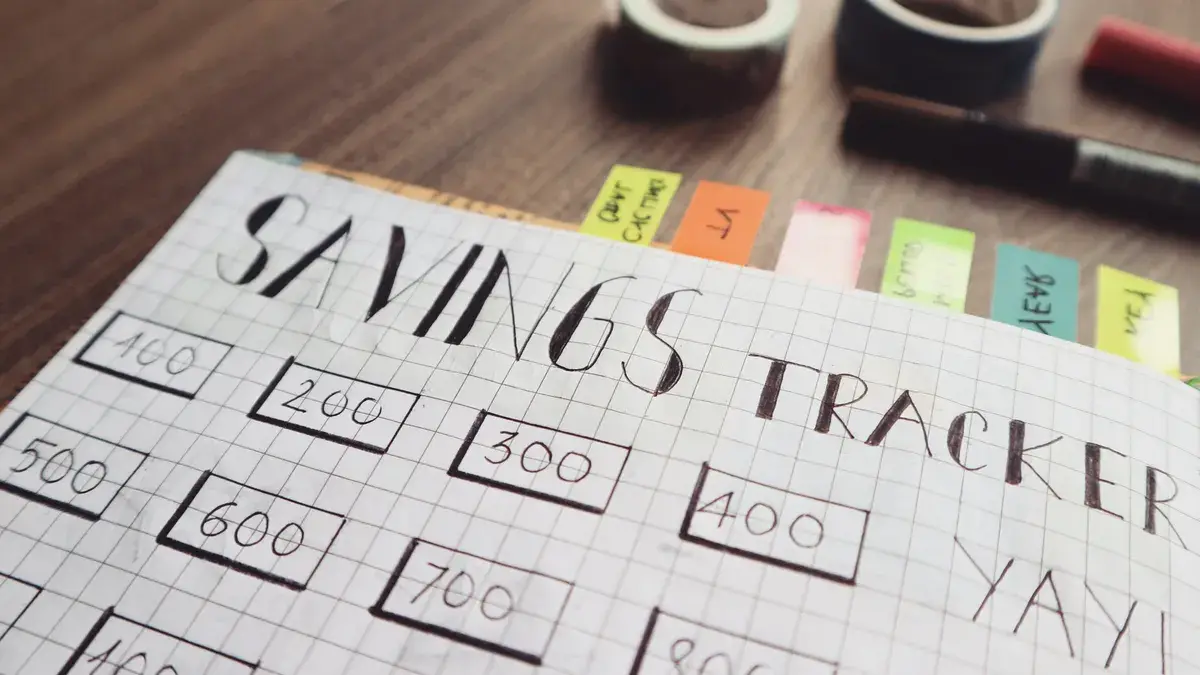
This budget works for someone who has regular debt payments to make, but not fully predictable spending outside those payments. It assumes you already know your debt balances, your minimum payments, and the bills that recur even when the amounts shift. It also assumes you can track spending for at least 30 days, either in a notebook, a spreadsheet, or a budgeting app.
A variable-expense budget is not the same thing as guessing each month and hoping the numbers work out. The goal is to build a plan that can absorb a $40 utility swing, a grocery run that lands higher than expected, or a repair bill that arrives without wrecking your debt payment. If your spending is so unstable that you cannot cover minimum payments without borrowing again, the budget alone will not fix the problem. In that case, the right next step is usually to protect the minimums first and get outside help from a qualified financial professional or nonprofit credit counselor.
The reader who gets the most from this approach has three things in hand: the last few months of spending records, a list of every debt with its minimum payment, and a target month-by-month debt payment amount that leaves room for a cushion. The reader who should pause is the person trying to build a payoff budget while also facing eviction risk, utility shutoff risk, or severe medical bills that have not yet settled. Those are not “budget harder” problems.
This page fits into the larger debt payoff strategy setup on the hub, but here the focus stays on budgeting around variable expenses, not on choosing a payoff method.
How do you budget when bills are not the same every month?
You budget the range, not the perfect month, and you build a cash flow cushion so the debt payment survives the swings. Start with the bills that change most often: utilities, groceries, medical bills, fuel, and car repairs. Then separate each one into a baseline amount you expect most months and a higher amount that covers the months when the bill rises.
The practical version is simple:
- Gather the last 3 to 12 months of statements and receipts. Use 3 months only if the category is very stable; use 12 months if heating, seasonal driving, or medical visits make the pattern uneven.
- List every debt’s minimum payment and due date. Minimum payment protection means those payments stay funded before extra debt payoff money goes anywhere else.
- Write down the “must pay” monthly costs that do not vary much, such as rent, core insurance, and fixed debt minimums.
- For variable categories, note the lowest normal month and the highest normal month. Do not budget to the lowest number unless the gap is tiny.
- Set a target monthly amount for each variable category that lands near the middle of the pattern, not at the edge.
- Add a separate sinking fund for irregular bills. A sinking fund is a reserved amount you set aside each month for a future expense that you know is coming, such as annual fees, a car repair, or a large dental bill.
- Build a small cash flow cushion inside the budget, then assign the remaining money to extra debt principal.
- Check the first month against actual spending, then adjust the budget lines that missed by more than about 10% or one recurring bill cycle.
What success looks like: you can pay the minimums, cover the month’s variable expenses without moving debt money around, and still send the planned extra amount to debt by the end of the month. What indicates a problem: you keep pulling from the debt payment to cover groceries, or you are guessing the utility bill each month with no buffer at all.
If you want a source for the mechanics of tracking spending, the Consumer Financial Protection Bureau’s budgeting guidance is a useful starting point, and the National Foundation for Credit Counseling also publishes budgeting resources. The CFPB budgeting tools are available at https://www.consumerfinance.gov/consumer-tools/budgeting/, and the NFCC provides budgeting help at https://www.nfcc.org/.
How do you build the debt payoff budget step by step?

You build it by turning irregular spending into planned categories before you assign extra money to debt.
- Set your starting month on paper. Use one calendar month and one checking account register, spreadsheet, or budgeting app screen. Write the due date and minimum amount for every debt first. Verify that every minimum payment is listed. If a payment is missing, the budget is not ready because a missed minimum can trigger fees and damage the plan.
- Average each variable category across several months. For utilities, groceries, medical bills, and car repairs, total 3 to 12 months of actual spending and divide by the number of months. Use 12 months when seasonal costs matter. Verify that the average is realistic for a normal month. If one category has only one or two data points, it is too thin to trust.
- Set category caps, not fantasies. Put a monthly ceiling on each variable line item, such as groceries, gas, and repairs, based on your spending pattern plus a modest margin. Verify that the cap still leaves room for minimum debt payments. If the cap only works when nothing unexpected happens, it is not a budget; it is wishful thinking.
- Create a sinking fund for irregular bills. Divide known future costs by the number of months until they arrive. If a bill is due in 6 months, you set aside one-sixth of the target each month. Verify that the fund is separate from your debt payment money. If you keep spending the reserve on ordinary purchases, the sinking fund is not doing its job.
- Add a cash flow cushion. Keep a small buffer in checking so timing gaps do not force you to skip a debt payment. This is not an emergency fund replacement; it is a timing buffer. Verify that the cushion is large enough to cover a bill that lands early or a paycheck that lands late. If the account balance keeps dropping to zero, the cushion is too small.
- Lock in minimum payment protection first. Make every minimum payment part of the non-negotiable budget. Then assign extra dollars to principal only after the minimums, sinking funds, and variable categories are covered. Verify that the payoff amount is still there after the other categories are funded. If it disappears every month, the base budget is too tight.
- Assign the leftover money to debt principal. Whatever remains after the fixed costs, minimums, variable categories, and cushion goes to extra payoff. Verify that this amount is repeatable for at least 2 or 3 months. If it changes wildly, your target is probably too ambitious for a variable-expense household.
- Review after one full cycle. Compare planned versus actual spending at month end. Adjust the budget line that missed, but only one or two lines at a time. Verify that the revised budget reflects real life rather than one surprise month. If you keep rewriting the whole budget every month, you have not yet found a stable structure.
A good result is not “perfect.” A good result is a budget that absorbs a normal repair bill, a higher grocery week, or a medical copay without breaking the debt payment. A bad result is a budget that looks neat on paper but collapses the first time the utility bill rises.
Should variable expenses be averaged or budgeted separately?
They should be budgeted separately, then checked against a monthly average so the total still makes sense. Averaging everything into one big number hides the categories that cause trouble. Separate lines make it clear whether the problem is groceries, heating, a dentist bill, or car maintenance.
Here is the distinction that matters. Averages help with planning. Separate categories help with control. If you only use one blended “living expenses” number, you cannot see which bill is causing the shortfall, and you cannot tell whether the budget failed because of one unusual month or a pattern that needs a permanent change.
Use separate categories for the expenses that vary independently:
- utilities
- groceries
- medical bills
- transportation and car repairs
- household maintenance
- irregular annual bills such as registration or membership fees
Then compare the total of those categories to your average monthly spending over the last 3 to 12 months. If the total is far below your actual average, the budget will break. If the total is far above it, you may be leaving too much money idle and slowing debt payoff more than necessary.
A useful rule: budget by category when the bill is predictable enough to name, and use an average only as a check on whether the whole plan is believable. That keeps the budget honest without turning it into a guessing game. If the spending pattern is still changing because of a recent move, a new diagnosis, or a major car problem, the averages may be too noisy to trust yet. In that case, build for the next 60 to 90 days and revise sooner.
What check should you make before sending extra money to debt?
You should confirm that next month’s known irregular costs are already covered before you move a single extra dollar to debt principal. That means the sinking fund is funded, the minimums are protected, and the cushion in checking still exists after your normal spending.
A simple check works well:
- Does the account still hold enough for all minimum payments due before the next paycheck?
- Is there money set aside for the next predictable irregular bill, such as an annual insurance premium, school fee, or car registration?
- Did one of the variable categories run over because of a one-time spike, or is the budget line too low?
- If groceries, utilities, or fuel were higher this month, can the budget absorb that again next month without cutting a minimum payment?
What a good check looks like: the extra debt payment is stable, the current month ends with a small surplus, and the next month already has room for the bills that usually surprise people. What a bad check looks like: the extra debt payment is made by raiding the grocery line, then the grocery line runs over again and the budget falls apart.
The point of the check is not to delay debt payoff forever. The point is to avoid the common trap where someone pays extra toward debt in one month and then borrows again the next month because a car repair or medical bill was never planned for. That pattern is expensive and demoralizing.
When should this approach stop and a different plan start?
This approach should stop when the budget cannot protect the minimum payments without new borrowing or missed bills. At that point, the problem is no longer optimization; it is basic cash flow survival.
Minimum payments are already at risk: This means the budget cannot absorb the current month’s necessities — stop extra payoff and cover the required payments first, then get qualified help if needed.
One large bill keeps repeating before you can fund it: This means the sinking fund is too small for the timing of the expense — redirect money from extra payoff into that fund until the repeat bill is covered.
Variable expenses are changing because of a life disruption: New childcare, a move, a diagnosis, or a car failure can make past averages useless — rebuild the budget from the next 30 to 90 days instead of relying on old numbers.
The checking balance drops to nearly zero every cycle: This means there is no cash flow cushion — add one before increasing debt payments, or the budget may fail on timing alone.
You are using debt to cover ordinary spending: If a credit card or personal loan is filling grocery gaps, the budget is not yet doing its job — cut the extra payoff amount and stabilize spending first.
Your monthly numbers only work if nothing goes wrong: That means the plan has no margin — lower the debt payoff target and give the budget breathing room.
For one-off guidance on your own debts and household spending, a nonprofit credit counselor or qualified financial adviser can help you pressure-test the numbers without guessing.
The mistakes people make with a variable-expense budget
The most common mistake is budgeting to the cheapest month. That can make the plan look efficient for 1 or 2 months, but it leaves no room for a normal utility swing or grocery increase. The fix is to budget from a realistic average and keep category caps.
A second mistake is hiding irregular bills inside one vague line called “miscellaneous.” That creates a blind spot. When the car registration or medical copay arrives, the budget seems to fail for no reason. The better choice is to give each recurring irregular cost its own line or sinking fund.
A third mistake is treating a sinking fund like free money. Before you touch it, make sure the fund is reserved for the named expense, and if you are unsure whether you can safely redirect it, consult a qualified financial professional or credit counselor. The consequence is predictable: the future bill arrives and has to be paid with debt or with money meant for groceries. The correct alternative is to keep the sinking fund separate and untouchable except for the named expense.
A fourth mistake is aiming for an extra debt payment that only works if every category lands below average. That is too fragile. The right alternative is to set extra payoff after the must-pay items, not before them.
A fifth mistake is ignoring timing. Even if the month balances on paper, the bills may hit before the paycheck clears. A 3- to 7-day timing gap can matter more than the category totals. The fix is a cash flow cushion in checking.
A sixth mistake is waiting a full year to review the budget. By then, the problem may have compounded. Review after the first month, then after 3 months, and adjust the lines that consistently miss. That is enough to make the budget more accurate without constant tinkering.
What does a good result look like after 30 days?
A good result after 30 days is that the budget still works when one or two expense lines move. You should be able to look at the month and see three things clearly: the minimums were protected, the variable categories stayed within reason, and the extra debt payment still happened.
That first month is not a pass-fail exam. It is a calibration period. If groceries ran $60 over because you underestimated weeknight meals, adjust the grocery line.
Drafted with AI; not yet reviewed by a person.