
Last updated: November 19, 2026
Quick Answer: balance transfer credit cards can help pay down debt faster, but only if you can clear the balance before the promo ends and keep paying on time.
Key Takeaways
- A balance transfer card can help when the fee is modest, the promo is long enough, and you stop adding new debt.
- Plan the transfer amount, payment schedule, and deadline before applying.
- It is the wrong tool when the debt pattern, fee, or timing makes the outcome worse.
- The intro APR is only one part of the cost.
A balance transfer credit card, part of the broader topic Balance Transfer Credit Cards: How to Use Them to Pay Down Debt, can help you pay down existing credit card debt faster if the intro APR period, the transfer fee, and your repayment plan all line up. It is not a cure-all, and it is a bad fit if the old spending pattern is still in place; if you are unsure, a qualified adviser can help you decide whether the move fits your budget.
Balance transfer credit cards are for a person who already has revolving credit card debt, can make regular payments on time, and wants a short window to reduce interest costs. This guide assumes you already know your current card balances and minimum payments, or can pull them from your statements today. It also assumes you understand that rates, fees, and transfer rules vary by country and by lender, so the exact numbers on any card matter more than the label. This is information, not financial advice; for your own situation, a qualified adviser can help you decide whether the move fits your budget.
For background on the broader debt mix, the debt consolidation hub can sit alongside this page, but this guide stays focused on the mechanics of a balance transfer credit card.
What a balance transfer credit card actually does
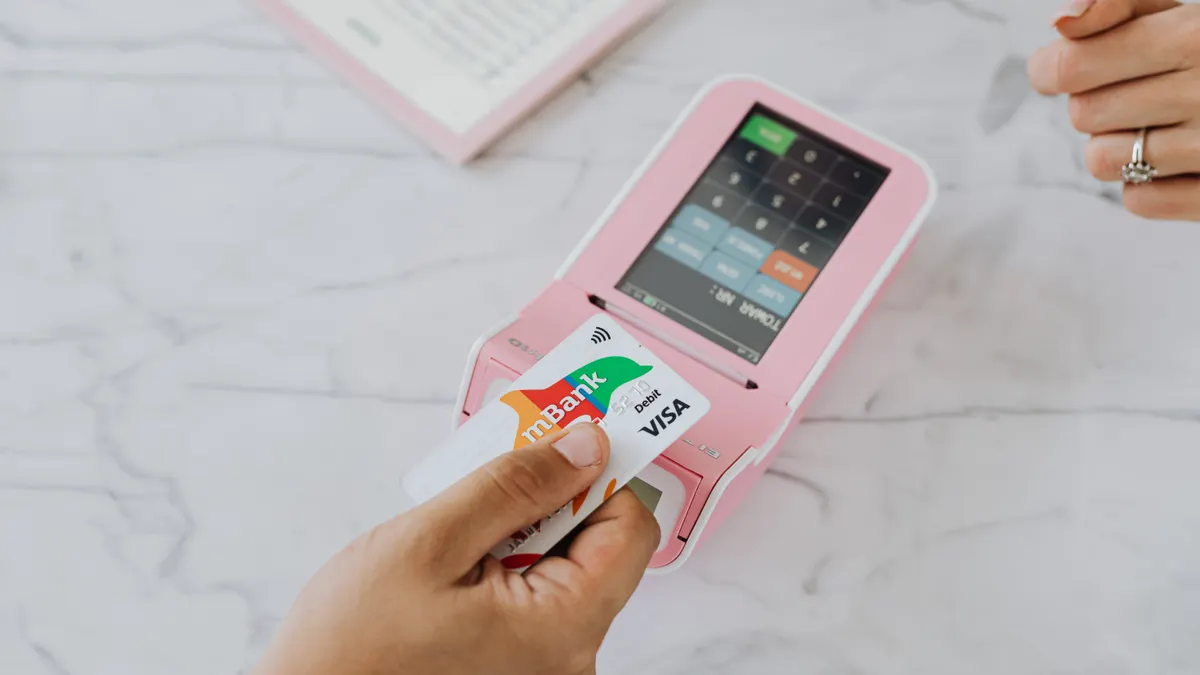
A balance transfer credit card moves debt from one credit card account to another credit card account, usually with an introductory annual percentage rate, or intro APR, that is lower than the rate on the old card for a limited time. The point is simple: more of each payment goes to principal instead of interest during the promotional period.
That does not erase the debt. It changes the cost structure for a set window, often measured in months rather than years. The two numbers that matter most are the transfer fee and the payoff window. A transfer fee is the charge added when the balance moves; many cards express it as a percentage of the amount transferred, but the exact structure varies. The payoff window is the number of months the promotional rate lasts.
The practical question is not “Can I transfer?” It is “Will the savings from a lower promotional rate outweigh the fee, and can I pay the balance before the promo ends?” If the answer is no, the transfer may only postpone the problem.
A balance transfer also interacts with your credit limit. If the new card’s limit is too low, you may only be able to move part of the debt. If the limit is high enough, that does not mean you should fill it. A card that starts nearly maxed out can leave little room for emergency spending and may put pressure on your credit profile.
For official rate terminology, the Consumer Financial Protection Bureau’s explanation of credit card interest and fees is a useful reference, and the UK MoneyHelper site also has plain-language debt guidance for people comparing options.
Should I use a balance transfer card to pay down debt?
A balance transfer card is worth considering when the fee is manageable, the promotional period is long enough for your payoff plan, and you can stop adding new card debt. That is the short answer. The longer answer is that this tool works best as part of a debt strategy, not as a stand-alone rescue.
Start with the balance you want to move and the minimum monthly payment on the current card. Then estimate how much you can pay each month without missing rent, utilities, groceries, insurance, or transport. If your budget only allows a small payment above the minimum, a transfer can still help, but the payoff window may not be long enough. If your budget allows a larger payment, the savings from a promotional rate can be meaningful because every dollar goes further.
The transfer fee changes the math. A card with a lower intro APR but a higher transfer fee may cost more overall than a card with a slightly higher promo rate and a lower fee. That is why comparing card headlines alone is a mistake. The real comparison is the total cost over the months you expect to carry the balance.
This approach is usually a poor fit if you already have multiple late payments, if you are likely to miss the card’s due date, or if you expect to put new purchases on the card before the transferred balance is gone. It can also be a bad idea if your debt is so large that the new card’s credit limit would not cover enough of it to make the fee worthwhile.
How do I use a balance transfer card step by step?

A balance transfer card works best when you plan the transfer, the payment schedule, and the cutoff date before you apply.
- List every debt you might transfer. Write down the issuer, balance, minimum payment, and current APR for each card, using statement figures from the last 30 days. Verify that the debt is eligible for transfer; some issuers exclude their own cards or certain account types. If the balances are unclear, the problem is timing, not the card.
- Choose the amount to transfer, not just the card. Pick a transfer amount that fits within the new card’s credit limit and still leaves room for interest, fees, and a small buffer. Verify the available limit before moving anything. If the transfer would use nearly all of the limit, you may be creating a second cash-flow problem.
- Calculate the fee against the payoff window. Compare the transfer fee with the months of intro APR you expect to use. Verify that the fee is one-time and that you know whether it applies to the full transferred amount or only part of it. If the fee erases most of the savings, the transfer may not be worth the paperwork.
- Apply before the old card’s balance grows again. Submit the application when you can stop new spending on the old card immediately. Verify the approval terms, the credit limit, and the promo period in the offer disclosure before accepting. If the rate language is vague, the offer is not ready to use.
- Request the transfer promptly after approval. Initiate the transfer through the new issuer as soon as the account is active, often online or by phone. Verify the destination account number and the exact payoff amount. If the transfer is sent to the wrong account, the old balance can keep accruing interest while you wait for a correction.
- Keep paying the old card until the transfer posts. Make at least the required minimum payment on the old account until the statement shows a zero or reduced balance. Verify the closing balance after the transfer lands. If you stop paying too soon, a late fee or missed payment can undo part of the benefit.
- Set a fixed monthly payoff amount. Divide the transferred balance by the number of months in the intro APR period, then add a cushion if your budget allows. Verify that your autopay or calendar reminder is set for the due date each month. If you only pay the minimum, the balance may outlast the promotional window.
- Track the end date and the remaining principal. Check the statement every month and note the promotional expiration date. Verify how much remains after each payment. If the balance is still large three months before the promo ends, you need a backup plan rather than hope.
A workable transfer is usually one you can explain in one sentence: “I moved X dollars, paid Y in fees, and I can clear it by month Z.” If you cannot say that plainly, the plan needs tightening.
What do I check before I apply?
A balance transfer credit card deserves the same scrutiny as any other credit card: read the transfer rules, the fee language, the due dates, and the promo end date before you apply. That is where the real cost lives.
The first check is whether the issuer allows transfers from the card or bank you are trying to pay off. Many issuers do not let you transfer debt between cards from the same bank group. The second check is the credit limit. If the limit is lower than the balance you want to move, you need to decide whether a partial transfer still helps.
The third check is payment timing. Some offers begin the promotional period when the account opens, not when the transfer completes. If the transfer takes days or weeks to post, that delay can matter. The fourth check is what happens after the intro APR ends. Some cards move any remaining balance to a higher ongoing APR, and that jump can be steep.
The fifth check is your behavior. If you are likely to swipe the old card again after freeing up space, the transfer can become a detour rather than a solution. You do not need a perfect budget, but you do need enough discipline to stop creating new revolving debt while you are paying down the old one.
For general consumer-credit rules and disclosures, the CFPB’s credit card resources and your card’s Schumer box-style summary of terms are the documents that matter. If the fee, timing, or rate change is unclear in the disclosure, do not guess.
When should I stop and use another debt strategy instead?
A balance transfer card is the wrong tool when the debt pattern, the fee, or the timing makes the outcome worse rather than better.
You cannot reliably make the monthly payment: A missed payment can trigger fees, lose the promo, or damage your credit standing — use a different debt plan that fits your actual cash flow.
The transfer fee outweighs the interest you will save: The cost of moving the balance may cancel out the benefit — keep the debt where it is and look at another repayment method.
Your available credit limit is too low: A partial transfer may not move enough debt to matter — split the payoff plan across accounts or choose a different approach.
You expect to keep charging new purchases on the old card: The balance can grow while the transferred debt shrinks — stop new spending first or the transfer only rearranges the problem.
The promotional period is shorter than your realistic payoff window: The remaining balance may roll into a higher APR before you finish — use a method that does not depend on a temporary rate.
Your current debt includes more than revolving credit card balances: This tool is designed for card-to-card transfers, not for every kind of debt — another strategy may fit the account structure better.
If none of those are true, the card may still help. If one or two are true, the transfer can be fragile. If several are true, forcing the issue usually costs more in fees, stress, and time than it saves.
The mistakes people make with balance transfers
The most common mistake is treating the intro APR as if it were the whole story. The promo rate is only one part of the cost. The transfer fee, the payment schedule, and the end date matter just as much. The fix is to compare total cost over the full payoff window, not just the headline rate; if the numbers are unclear, a qualified adviser can help you review the offer.
Another mistake is moving the balance and then using the old card again. That leaves two debts instead of one. The consequence is obvious: the payment you thought would attack principal gets split across fresh spending and the transferred balance. The better alternative is to pause new card purchases until the transferred debt is gone.
A third mistake is waiting too long to start the transfer after approval. Some people spend days comparing offers and then miss part of the promo window because the transfer did not post right away. The practical fix is to request the transfer immediately and keep paying the old account until the transfer is visible.
A fourth mistake is setting the payment at the minimum and hoping the math works out. Minimum payments are designed to keep accounts open, not to clear debt quickly. The result can be a balance that survives past the introductory period. A better approach is to divide the balance by the remaining promo months and use that number as your target, then adjust for any fees.
A fifth mistake is ignoring the remaining balance when the intro APR ends. If even a small amount is left, it may start accruing interest at the regular rate. That makes the final months expensive. The alternative is to finish early or refinance the remaining balance before the promo expires, if your broader debt plan supports that.
What happens when the promotional APR ends?
The remaining balance usually moves to the card’s regular APR when the promotional period ends, and that can make the unpaid portion more expensive to carry. The exact rate and timing vary by issuer and by country, so the fine print matters.
That is why the last 3 months of the promo are critical. If you are behind at that point, the card is no longer just a bridge; it becomes a reminder that the debt still exists. A good result is not merely getting approved. A good result is having the balance near zero before the promo expires, with no new purchases piled on top.
If the balance will not be gone in time, review the remaining amount early enough to adjust. That may mean increasing payments, redirecting extra cash, or getting qualified advice on a broader debt strategy. Do not wait until the statement after the promo ends to discover the cost of leaving a balance behind.
How do I know if the transfer is working?
A balance transfer is working if the debt balance falls on schedule, the fees stay limited to the initial transfer charge, and the promo end date is no longer a surprise. That is the simplest test.
Look for three signs each month: the remaining principal is shrinking, no late fees have appeared, and you have not added new revolving debt to the same problem. If all three are true, the plan is behaving as intended. If one is false, check the cause immediately. A late payment, a missed transfer, or a balance that is declining too slowly can turn a useful card into an expensive delay.
The most honest way to judge success is by the total remaining debt, not by the new card alone. A balance transfer credit card is doing its job only if it helps you retire the debt within the promotional window or with a clear plan for the remainder. If it only moves the balance from one statement to another, the problem has not changed shape enough.
How does a balance transfer card work?
A balance transfer card moves qualifying debt from one credit card to another, usually with a temporary intro APR that is lower than the old rate. You pay a transfer fee, then make monthly payments against the new balance until the promo ends. The key is that the fee, the credit limit, and the payoff window all affect the result.
Is a balance transfer worth it?
A balance transfer is worth it when the fee is smaller than the interest you avoid and you can clear most or all of the balance before the promotional APR ends.
Drafted with AI; not yet reviewed by a person.